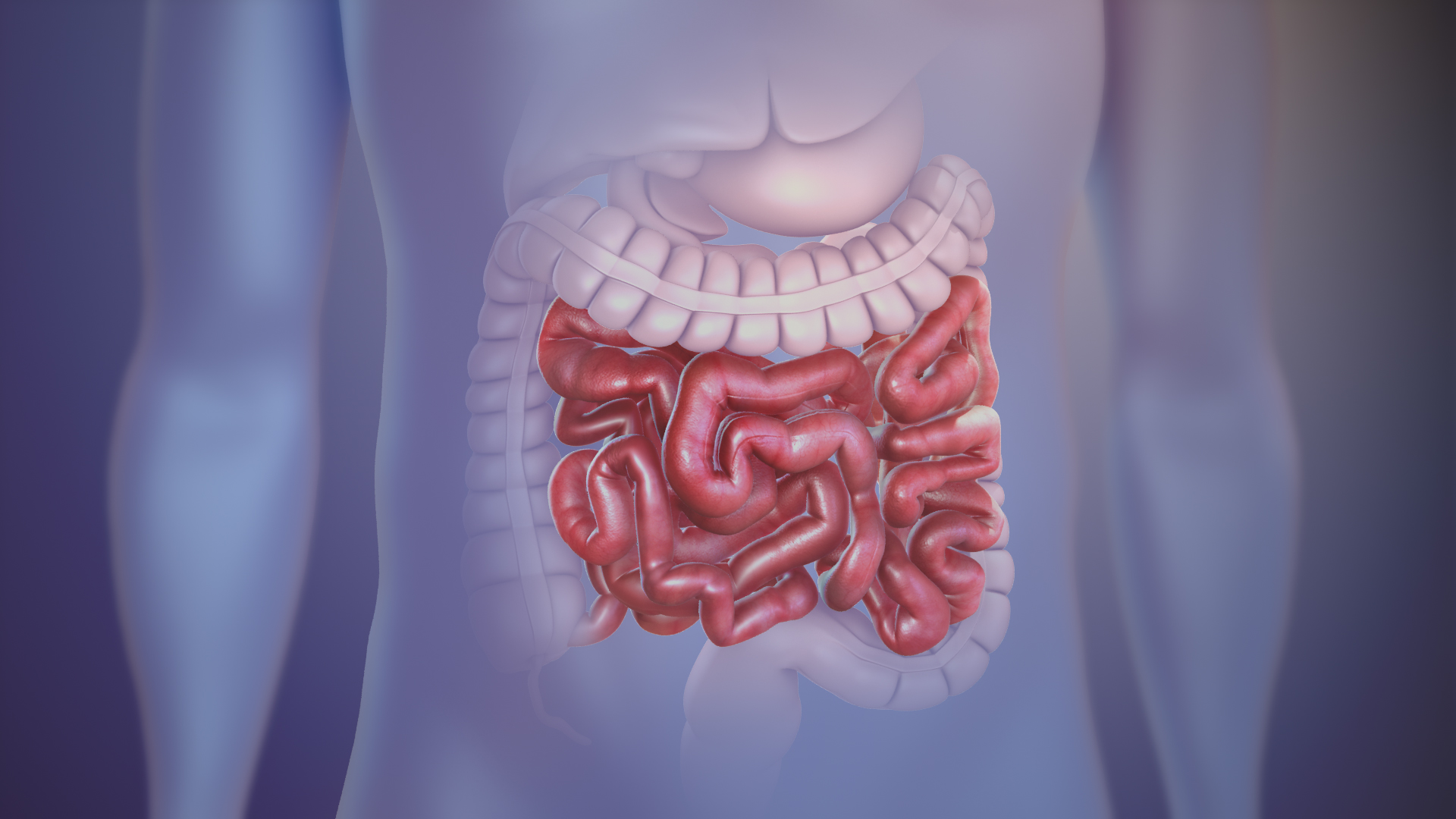
Where Small And Large Intestine Connect - Where Small And Large Intestine Connect - Small & Large Intestines at Salt Lake Community .... (ascending, transverse, descending) the ascending colon carries waste to the transverse colon, which absorbs water and. Large intestine starts from the place where the small intestine ends, while small intestine is present between large intestine and stomach. Both the tubes are interconnected, as well important components of the digestive system, but they can be differentiated in many ways. Although there are huge differences in size and complexity among taxa, in all species the large intestine is involved in three functions: The large intestine is a long tubular structure that is not coiled like small intestine.
Name the area where small and large intestine are connected to each other. It increases in diameter here, too, to allow food to go from the small intestine to the large intestine. 1 what does the small intestine look like? The wall of the large intestine has the same types of tissue that are found in other parts of the digestive tract but there are some. The small intestine bacteriaa, while inhabiting areas optimal for growth have a doubling time of roughly 10 hours.
The small intestine - Canadian Cancer Society from www.cancer.ca Amylase acts on starch and breaks it down into small carbohydrate molecules. Small intestine is the longest part of git which starts at the end of stomach and runs up to the large intestine. Some carbohydrates are not digested in the duodenum, and they ultimately pass undigested to the large intestine, where they may be digested by intestinal bacteria. It starts from where the ileum ends, ascends upwards and passes across the top of. After food is broken down in the duodenum, it moves into the jejunum, where the inside walls absorb the food's nutrients. Food is then passed to jejunum which is the main site for. It lies between the stomach and large intestine, and receives bile and pancreatic juice through the pancreatic duct to aid in digestion. It begins at the ileocecal junction, where the ileum enters the large intestine, and ends at the anus.
The large intestine is primarily responsible for removing water from the contents of the intestine and making it ready for removal from the body.
The small intestine or small bowel is an organ in the gastrointestinal tract where most of the absorption of nutrients from food takes place. (ascending, transverse, descending) the ascending colon carries waste to the transverse colon, which absorbs water and. Small intestine is the longest part of the alimentary canal. The small and large intestines. This is the largest part of the digestive system. The small intestine (also called the small bowel or gut) is the part of the gi tract between the stomach and large intestine. The large intestine is approximately 6 feet in length, while the small intestine is much longer, at approximately 21 feet. Some carbohydrates are not digested in the duodenum, and they ultimately pass undigested to the large intestine, where they may be digested by intestinal bacteria. It increases in diameter here, too, to allow food to go from the small intestine to the large intestine. This tubular structure is sometimes known as large bowel or the large intestine as a single unit covers the abdominal cavity. The longest (up to 34 feet) and narrowest part of digestive tract, small where does most of the absorption of the nutrients take place? Small intestine is the longest part of git which starts at the end of stomach and runs up to the large intestine. 1 what does the small intestine look like?
The area where they connect is around the appendix in the lower right portion of the abdomen. This motion pushes food and waste through the intestines. Both the tubes are interconnected, as well important components of the digestive system, but they can be differentiated in many ways. The large intestine frames these three parts of the small intestine. The mucosa is surrounded by the submucosa, which is a layer of blood vessels, nerves and connective tissue that supports the other layers of the large intestine.
Small Intestine: Functions and Disorders - Scientific Animations from www.scientificanimations.com Intestines are organs, or body parts, that are shaped like long tubes. The intestine is a muscular tube which extends from the lower end of your stomach to your anus, the lower opening of the ileum is where most of the nutrients from your food are absorbed before emptying into the large intestine. It starts from where the ileum ends, ascends upwards and passes across the top of. The small intestine or small bowel is an organ in the gastrointestinal tract where most of the absorption of nutrients from food takes place. The kidneys contains millions of tiny filtering units called. Its first part is duodenum which receives digested food from stomach and along with further digestion, it absorbs some nutrients. Name the area where small and large intestine are connected to each other. Some carbohydrates are not digested in the duodenum, and they ultimately pass undigested to the large intestine, where they may be digested by intestinal bacteria.
Both the tubes are interconnected, as well important components of the digestive system, but they can be differentiated in many ways.
It starts from where the ileum ends, ascends upwards and passes across the top of. Most absorption of nutrients and water happen in the intestines. This is the largest part of the digestive system. It is small intestine which, though small in diameter, is the longest part of the. The small intestine, or small bowel, is a hollow tube about 20 feet long that runs from the stomach to the beginning of the large intestine. This is how the muscles can build up. This tubular structure is sometimes known as large bowel or the large intestine as a single unit covers the abdominal cavity. The large intestine is approximately 6 feet in length, while the small intestine is much longer, at approximately 21 feet. Although there are huge differences in size and complexity among taxa, in all species the large intestine is involved in three functions: They help break down food so that the body can use it for energy. It increases in diameter here, too, to allow food to go from the small intestine to the large intestine. The intestine is also where most water is absorbed, via osmosis. This is where the small and large intestines join.
Food is broken down into smaller and smaller particles. The large intestine is approximately 6 feet in length, while the small intestine is much longer, at approximately 21 feet. Together with the esophagus, large intestine, and the stomach, it forms the blood vessels connect the liver to the rest of the body and in this way the nutrients can reach all of the body's tissues. The intestine is a muscular tube which extends from the lower end of your stomach to your anus, the lower opening of the ileum is where most of the nutrients from your food are absorbed before emptying into the large intestine. Lecture on anatomy of the large intestine.
Small Intestine Cancer | healze.com from www.healze.com Small intestine is the longest part of the alimentary canal. Together with the esophagus, large intestine, and the stomach, it forms the blood vessels connect the liver to the rest of the body and in this way the nutrients can reach all of the body's tissues. (ascending, transverse, descending) the ascending colon carries waste to the transverse colon, which absorbs water and. The large intestine is a long tubular structure that is not coiled like small intestine. It begins at the ileocecal junction, where the ileum enters the large intestine, and ends at the anus. Waste products from the digestive process include undigested parts of food, fluid, and older cells lining your stomach and small intestine make and release hormones that control how your digestive you have nerves that connect your central nervous system—your brain and spinal. It is small intestine which, though small in diameter, is the longest part of the. The small intestine and large intestine are connected.
Food is then passed to jejunum which is the main site for.
The intestines are located inferior to the stomach in the abdominal body cavity. The video includes gross anatomy of small intestine, large intestine, their parts and comparison. They help break down food so that the body can use it for energy. It begins at the ileocecal junction, where the ileum enters the large intestine, and ends at the anus. This tubular structure is sometimes known as large bowel or the large intestine as a single unit covers the abdominal cavity. The small intestine is much smaller in diameter, but is much longer and more massive than the large intestine. Small intestine is the longest part of the alimentary canal. The intestine is also where most water is absorbed, via osmosis. Food is broken down into smaller and smaller particles. Most absorption of nutrients and water happen in the intestines. It lies between the stomach and large intestine, and receives bile and pancreatic juice through the pancreatic duct to aid in digestion. The area where they connect is around the appendix in the lower right portion of the abdomen. The wall of the large intestine has the same types of tissue that are found in other parts of the digestive tract but there are some.